


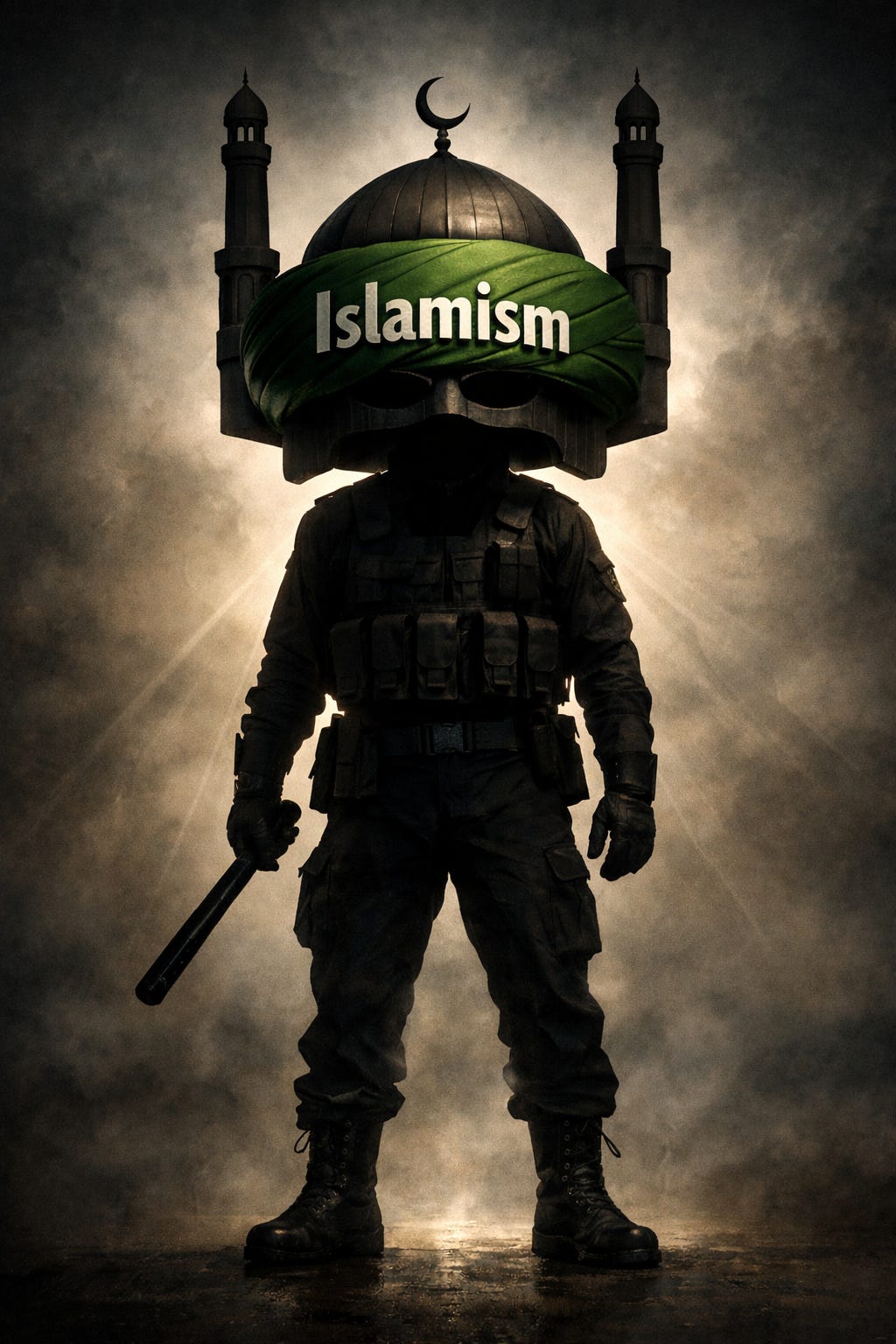
After nearly five decades under the Islamic Republic, a story has taken root among many Iranians — inside the country and across the diaspora: that Iranians were “never truly Muslim,” or that whatever Islam existed here was fake or forced.
It’s easy to see why that story emerged. It’s a coping strategy — a psychological shield against a regime that has jailed, beaten, and executed people “in the name of Islam.” When a dictatorship wraps itself in religion, people naturally want to push that religion as far away from themselves as possible.
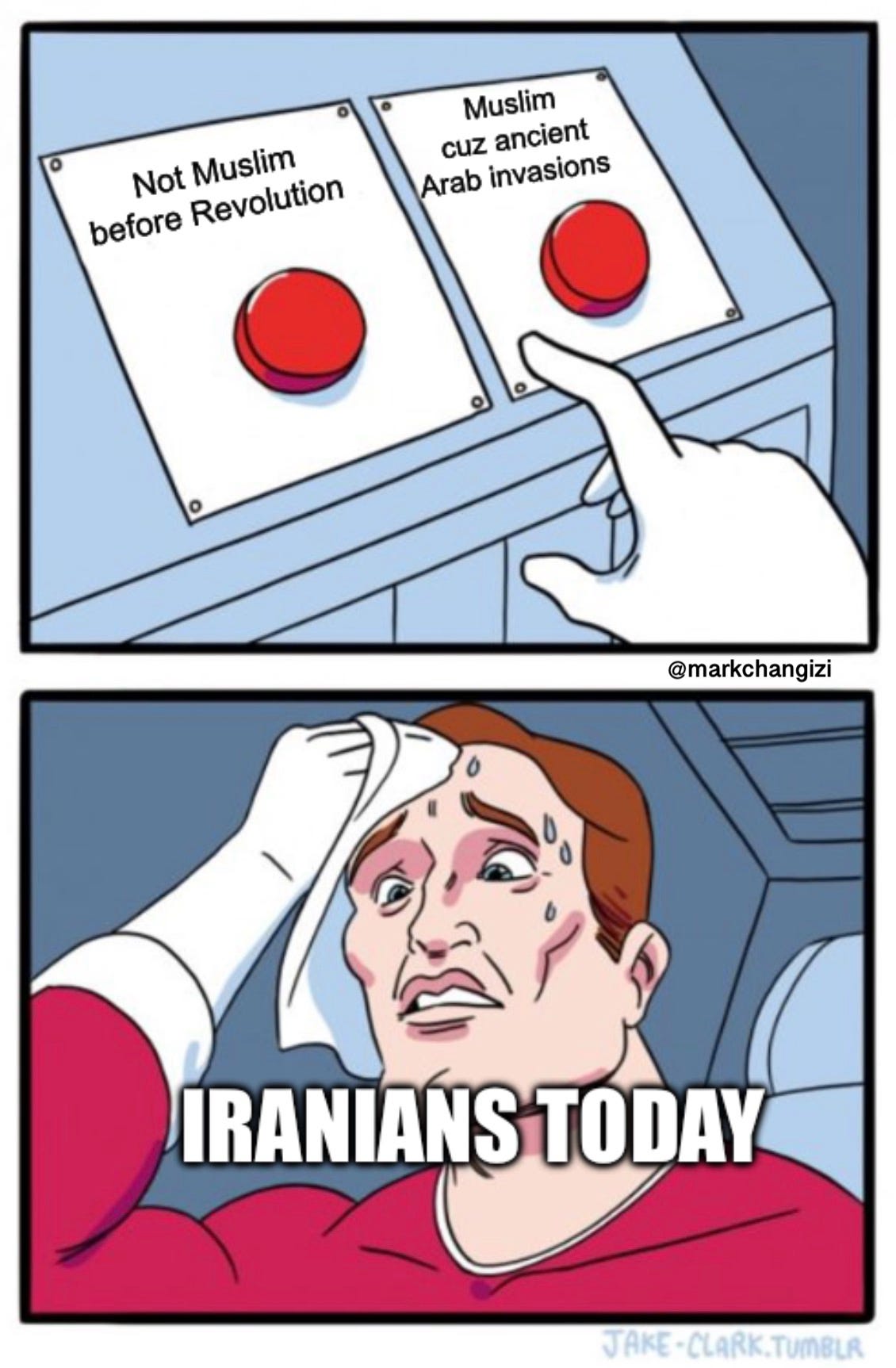
But while emotionally understandable, this narrative flattens history — and it erases the crucial difference between ordinary Muslims and the Islamist ideologues who hijacked Iran.
Islam has been part of Iranian identity for more than 1,400 years — not as something frozen or imported unchanged, but as a tradition that became deeply Persianized. Under the Pahlavi era, most Iranians still identified as Muslim, often in a cultural or moderate sense rather than rigid orthodoxy. Secular modernization and religious life coexisted; many were devout, many were nominal, most were in between.
The 1979 Revolution wasn’t simply a religious uprising. It was a mixed coalition — leftists, nationalists, clerics, students, technocrats. And when the theocracy consolidated power, many early exiles were themselves Muslim-background Iranians. They weren’t fleeing Islam; they were fleeing Islamism and authoritarian rule. Saying “Iranians were never Muslim” rewrites that history into a tidy — but false — myth.
Today, the coping narrative spreads because religiosity in Iran really has collapsed. The 2020 GAMAAN survey showed only about 40% identifying as Muslim; the 2023 follow-up found similar numbers, with growing secular and non-religious identity, especially among the young. Leaked 2023 government polling reported about 73% supporting separation of religion and state, and more than 80% seeing religiosity declining. The anger in the 2022 Mahsa Amini protests — including openly anti-Islam slogans — comes from lived theocratic experience, not abstract theory.
But here’s the key point this narrative obscures:
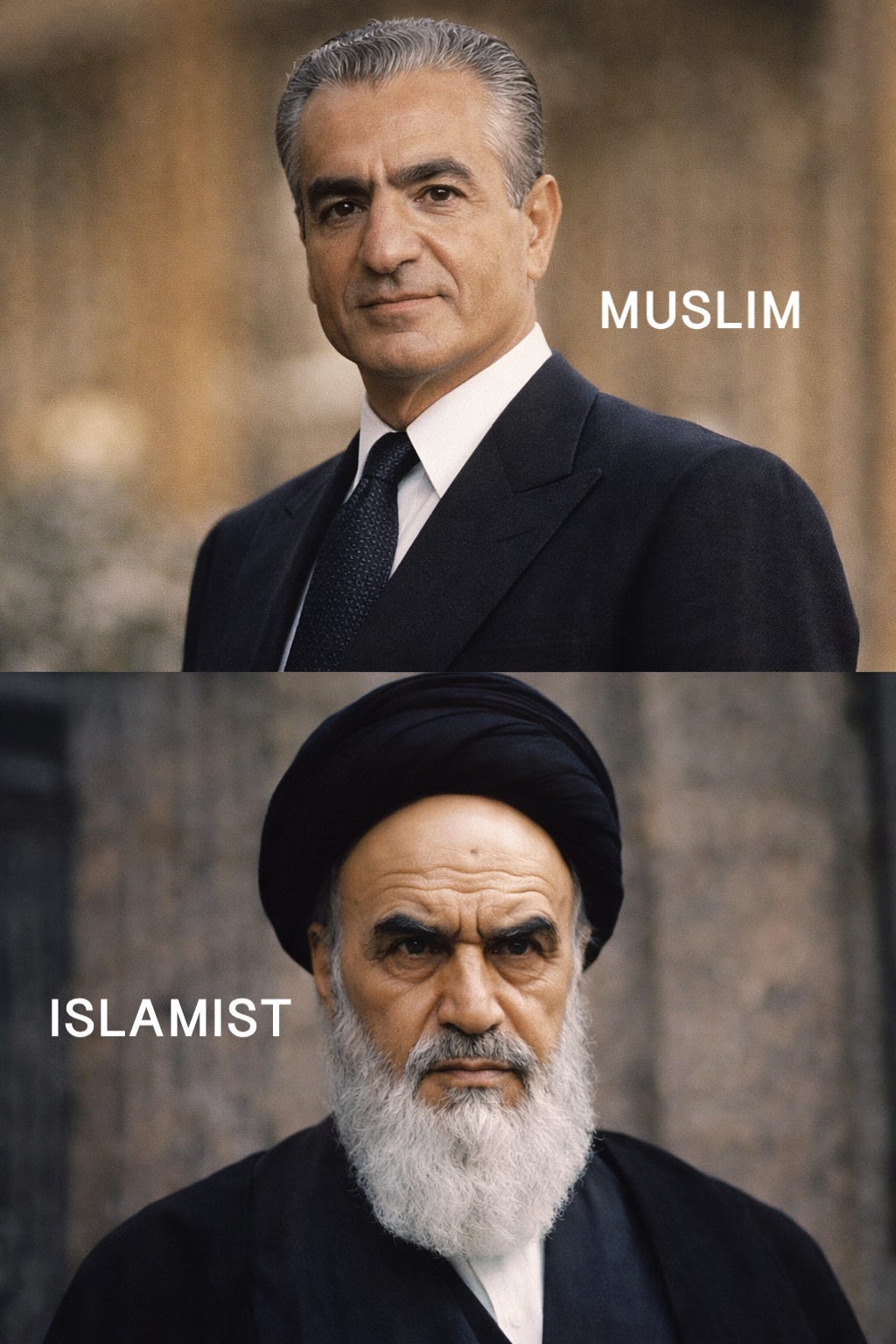
Muslim ≠ Islamist.
There are still many Iranians who identify as Muslim — and they oppose the regime as fiercely as anyone else. They march, they protest, and they reject clerical rule from inside their own moral framework. The real divide in Iran is not Muslims vs non-Muslims — it is Islamists vs non-Islamists.
The Islamic Republic didn’t happen because “Islam exists.” It happened because authoritarianism wrapped itself in Islamic language, helped early on by revolutionary factions who also believed in centralized power. Strip away the religious symbols and the same political disease could have arrived in secular or nationalist dress. Blaming “Islam” wholesale lets the real culprits off the hook — ideologues who exploit whatever cultural tools they can.
Equating Muslims with Islamists doesn’t just distort history — it erases allies in the struggle for a freer Iran, including Muslims who reject theocracy and defend individual liberty. The coping narrative may help people survive the trauma. But if we want to avoid repeating it, we need truth, precision — and a clear eye for the difference between faith and authoritarianism.
This was a really solid read. Thank you for putting words to something that gets blurred way too often. I’m Shia, and I don’t support the Iranian regime in any way. In fact, for me, backing the Islamic Republic would contradict the core principles of my faith: justice, dignity, and rejecting oppression. The regime’s alliances with Russia, China, and North Korea only reinforce that this is about power and control, not Islam. I also appreciate you separating Muslims from Islamists; that distinction matters.